
NPTE Study Buddy: How to Find and Maximize a Study Partner for Exam Success
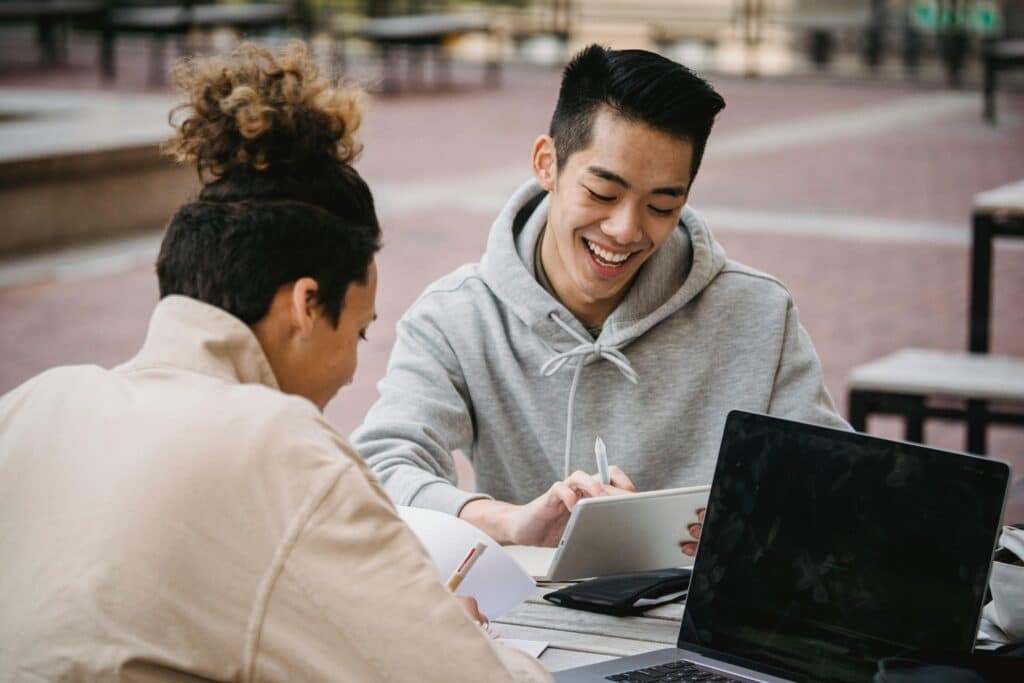
Preparing for the National Physical Therapy Examination (NPTE) can feel like an uphill climb, but you don’t have to do it alone. One of the most underrated ways to boost your performance is finding the right NPTE study buddy — someone who keeps you accountable, challenges your thinking, and helps make studying less stressful and more effective.
In this guide, we’ll explore how an NPTE study buddy can transform your prep, how to find one, and how to make the most out of every study session — all while keeping your goals in sight and your confidence high.
Why You Need an NPTE Study Buddy
Studying for the NPTE can be isolating. There’s pressure, information overload, and the constant balancing act between memorization and reasoning. That’s where a study buddy comes in — someone who understands exactly what you’re going through.
Here’s how studying with a partner can change your prep for the better:
- Built-in accountability: It’s much easier to stay consistent when someone’s counting on you to show up.
- Motivation boost: When you’re feeling burned out, your study buddy can give you the push to keep going.
- Stronger understanding: Teaching and explaining concepts to each other deepens both of your knowledge.
- Fresh perspectives: Your partner might see a topic or question type differently, which can fill your blind spots.
- Emotional support: Studying for a licensing exam is stressful — having someone to vent and laugh with makes it manageable.
How to Find the Right NPTE Study Buddy
The key isn’t just finding anyone — it’s finding someone with the right balance of motivation, commitment, and compatibility.
Here’s where to look:
- NPTE prep communities: Online Facebook or Reddit groups (like r/PTschool) are full of students looking for partners.
- Prep platforms and courses: Enrolling in NPTE prep courses (like SPTwithME) can connect you with other driven students who share your goals.
- Classmates and alumni: Reach out to peers from your DPT or PTA program — many are studying around the same time.
- Webinars and live study events: Attending virtual sessions or review series often leads to natural networking with potential study partners.
- Social media and LinkedIn: Many students post that they’re looking for study partners. A quick search for “NPTE study buddy” can reveal potential matches.
When choosing, look for someone who:
- Has a similar timeline to yours
- Studies consistently (not just when it’s convenient)
- Balances your strengths — e.g., if you’re strong in musculoskeletal, they might be strong in neuro
- Communicates clearly and reliably
How to Structure Your Study Sessions
Once you find your NPTE study buddy, it’s time to create structure. Otherwise, sessions can easily drift into casual conversation or unproductive cramming.
Here’s a framework that works:
1. Set a shared goal: Before your first session, talk about what you both want to achieve — passing on the first try, improving clinical reasoning, or simply building consistency.
2. Create a schedule: Choose set days and times each week. Consistency builds momentum and prevents last-minute cramming.
3. Divide and teach: Split systems between you. If your partner covers neuromuscular and you handle cardiopulmonary, you can take turns teaching what you learned. Teaching each other solidifies retention far more than passive studying.
4. Use active learning: Avoid reading silently side by side. Instead:
- Quiz each other.
- Discuss practice questions out loud.
- Walk through case scenarios together.
- Identify keywords and decision patterns.
5. Track progress: End each session by reviewing what you learned, what was confusing, and what needs review next time.
How Technology Can Help
Even if you can’t meet in person, you can still study together effectively.
Use tools like:
- Zoom or Google Meet for virtual sessions.
- Google Docs or Notion for shared notes.
- Quizlet or Anki decks for collaborative flashcards.
- Shared calendars to keep track of study goals and deadlines.
If you’re both using SPTwithME, you can even align your crash course sessions or study modules — completing the same section at the same time helps keep your discussions focused and cohesive.
Common Mistakes to Avoid
Even the best study partnerships can fall apart if boundaries and structure aren’t clear. Here are pitfalls to steer clear of:
- No plan or schedule: Without structure, it’s easy to lose focus.
- Unequal effort: The partnership only works if both contribute.
- Turning sessions into venting time: Support each other, but don’t let emotional check-ins replace actual studying.
- Overlapping strengths: If you both struggle with the same content, consider bringing in outside support like an instructor or a focused review course.
Combining a Study Buddy with the Right Tools
A study buddy keeps you consistent — but combining that accountability with the right guidance can take your prep to the next level.
That’s where SPTwithME fits in perfectly. Designed by a PT who scored a perfect 800, it focuses on short, structured crash courses that teach you how to think through NPTE questions rather than just memorize.
Pairing SPTwithME with your study buddy sessions gives you the best of both worlds: strategy, structure, and support. You’ll both learn how to reason through difficult scenarios, identify key test clues, and build the confidence to perform under pressure.
Final Thoughts: Two Brains Are Better Than One
Studying for the NPTE is tough — but you don’t have to do it in isolation. Finding the right NPTE study buddy can turn stress into structure, and uncertainty into confidence.
Accountability keeps you consistent. Collaboration sharpens your reasoning. And when you combine those with a proven strategy resource like SPTwithME, you’ll feel more prepared, more supported, and more capable of passing on the first try.
So, find your study partner, set your plan, and start practicing clinical reasoning together. Two motivated minds are stronger than one — especially when they share the same goal: becoming licensed physical therapists ready to make an impact.